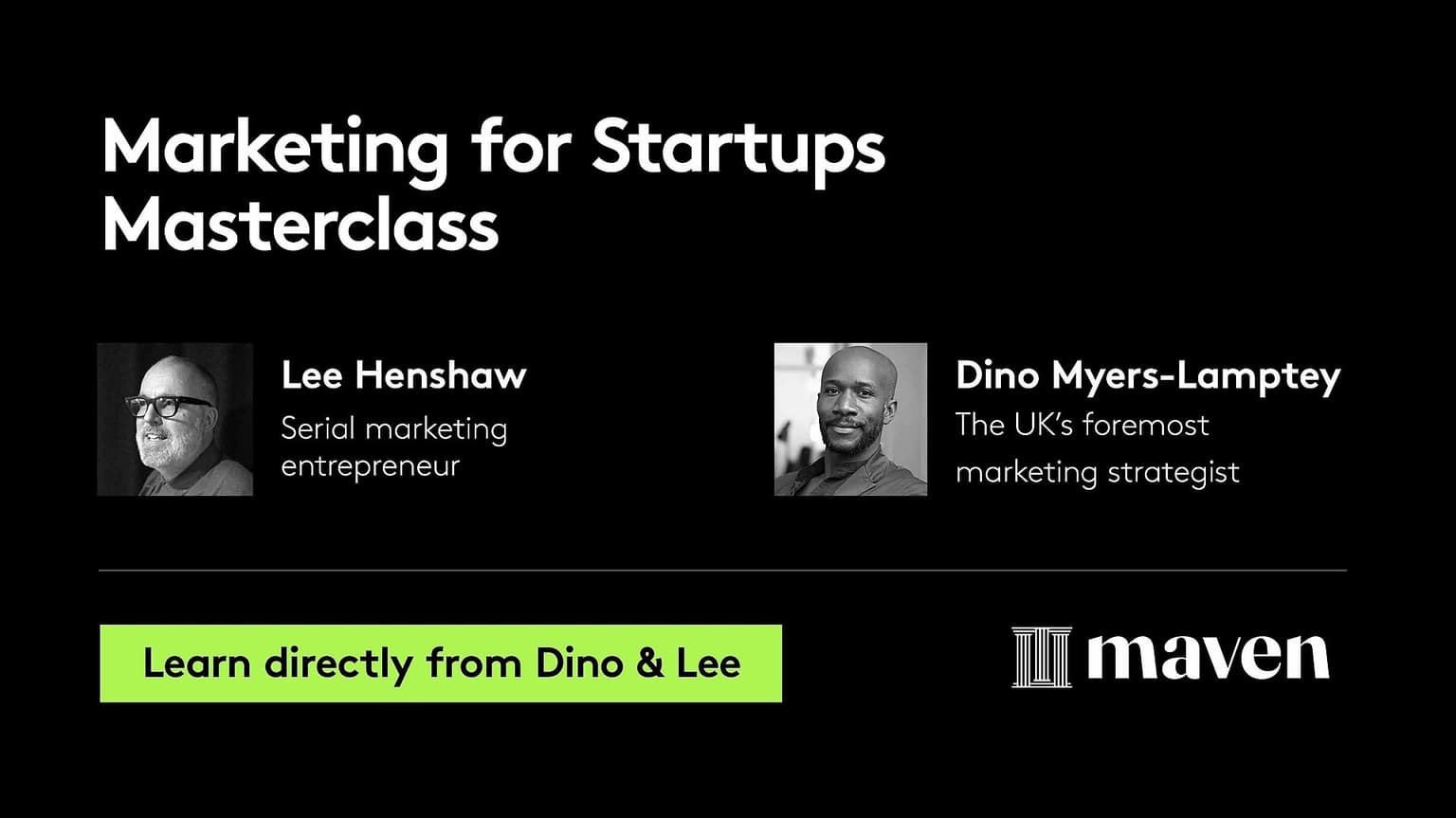
Marketing for Startups Masterclass
Marketing crash course for startups - learn to launch, grow and raise by diagnosing your market and mastering marketing strategy and tactics
This course is no longer available.
Explore other courses

Course overview
Learn the marketing skills every startup needs to confidently grow and fundraise
In just two weeks, you’ll learn the marketing essentials every founder and startup team needs to grow a business that customers want and investors back.
You'll learn how to:
Diagnose your market
Create a marketing strategy
Apply the 4 key tactical levers: product, price, promotion and place
This is our fourth masterclass, built on our experience delivering Lightning Lessons to over 850 founders and startup teams.
WEEK 1 – DIAGNOSIS & STRATEGY
Customer Obsession: Learn why "you are not the customer" and how to build a business around what your customers really need
Market Research: Learn to uncover actionable insight and validate assumptions
Segmentation: Cut your market into manageable, profitable chunks
Targeting & Positioning: Decide who to target and how to stand out
Objectives: Set clear, measurable goals using your bespoke purchase funnel
WEEK 2 – TACTICAL EXECUTION
Product: Use the Jobs to be Done theory to build what customers actually need
Price: Understand value-based pricing and apply practical pricing frameworks
Promotion: Balance long-term brand building with short-term sales activation
Place: Choose the proper distribution channels for your business model and strengths
What you’ll walk away with:
A clear go-to-market plan
Tools and templates you can apply immediately
Practical confidence to make smart marketing decisions
The ability to speak the language of marketing with investors, teammates and advisors
Who is this course for
01
Founders who need to learn the marketing fundamentals to launch, grow and raise funding with clarity and confidence
02
Startup team members who want to learn how to diagnose a market, build a strategy and apply the right marketing tactics
03
Founders-in-waiting who want to launch with a clear go-to-market plan and avoid the guesswork that sinks early-stage startups
What you’ll get out of this course
Master the MORTN scale to diagnose your blind spots and build a truly customer-obsessed company culture
Explore how AI-generated data is disrupting market research and whether you can rely on it for marketing strategy
Use the Meaningful/Actionable Grid to identify profitable segments that others miss and focus your resources where they matter most
Develop detailed segment portraits that bring your target customers to life and guide every business decision
Craft a powerful positioning statement that makes your brand stand out and gives customers a clear reason to choose you
Set SMART objectives that align your team and create real accountability for marketing success
Apply Jobs to be Done thinking to develop products your customers actually need, not just features they might want
Use the Van Westendorp method to confidently set prices that capture maximum value from each segment
Transform your founder's story into a compelling narrative that resonates with customers and investors alike
Design a distribution strategy that leverages your core strengths and creates a sustainable competitive advantage
What’s included
Live sessions
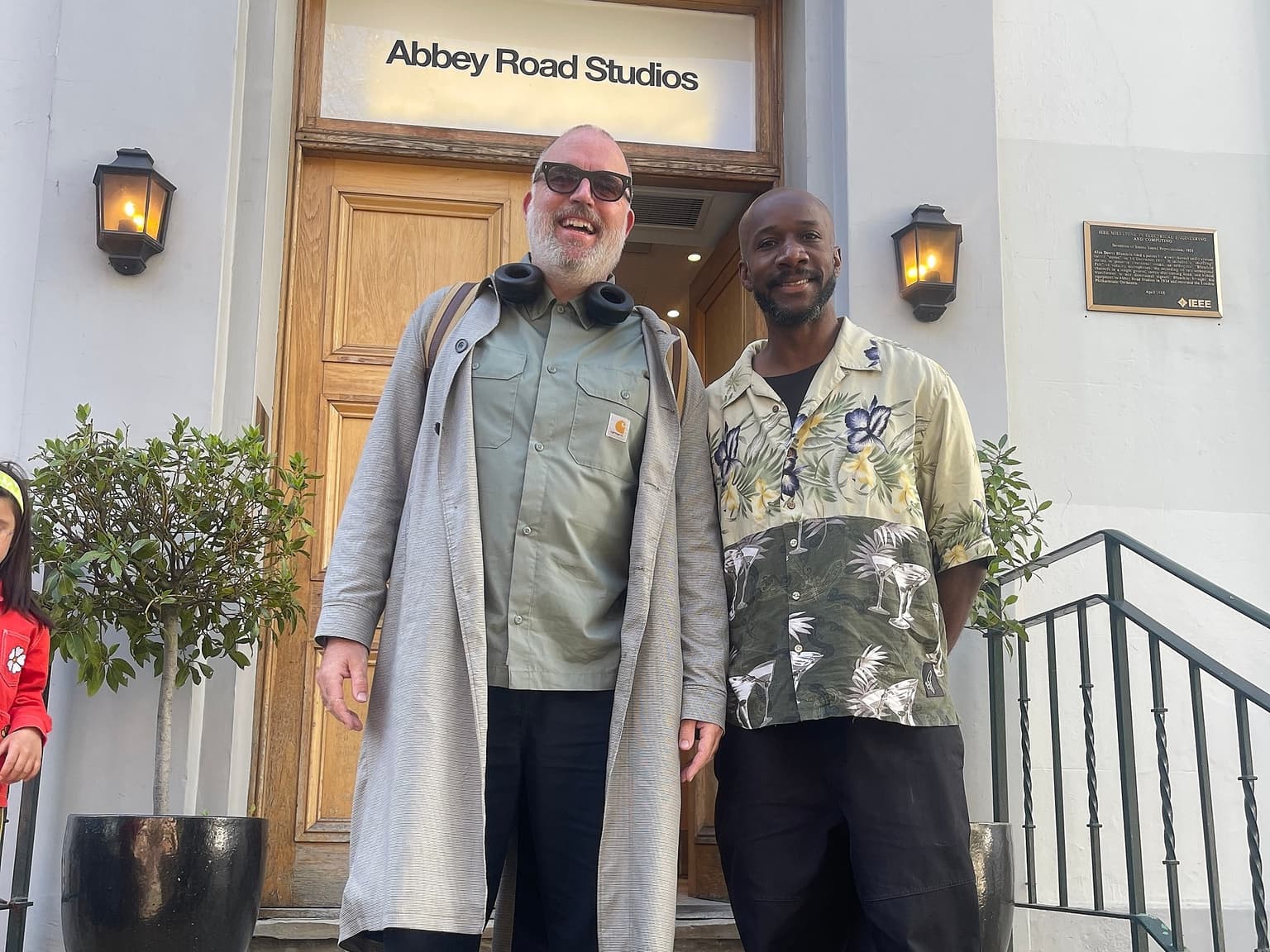
Learn directly from Dino Myers-Lamptey & Lee Henshaw in a real-time, interactive format.
Lifetime access
Go back to course content and recordings whenever you need to.
Community of peers
Stay accountable and share insights with like-minded professionals.
Certificate of completion
Share your new skills with your employer or on LinkedIn.
Maven Guarantee
This course is backed by the Maven Guarantee. Students are eligible for a full refund up until the halfway point of the course.
What students are saying
Meet your instructor
Dino Myers-Lamptey
Dino Myers-Lamptey
Dino Myers-Lamptey is the founder of The Barber Shop, a strategy-led creative company solving big business challenges through data, distribution and disruptive ideas. He works with purpose-driven brands like Sky, Triumph and Parkinson’s UK. A leader in conscious advertising, Dino sits on multiple industry boards and was named a Top 10 Media Planner by Campaign for six years running. He’s also a founding investor in Lee Henshaw’s company, Into-it.
Lee Henshaw
Lee Henshaw
Lee Henshaw is a seasoned entrepreneur with 25 years of experience in entertainment, technology and media. He’s launched, grown and sold two online marketing businesses and is now the founder of Into-it, a music tech company transforming banner ads into personalised music notifications. As a writer, he wrote the novel Queer Fish in God's Waiting Room and an Oasis biography, and covered music and technology for The Guardian, The Observer, The Independent and more.
Learning is better with cohorts

Active hands-on learning
This course builds on live workshops and hands-on projects
Interactive and project-based
You’ll be interacting with other learners through breakout rooms and project teams
Learn with a cohort of peers
Join a community of like-minded people who want to learn and grow alongside you